
Destination Details
Ngorongoro Tourism – Everything You Need to Know
Discover the Magic
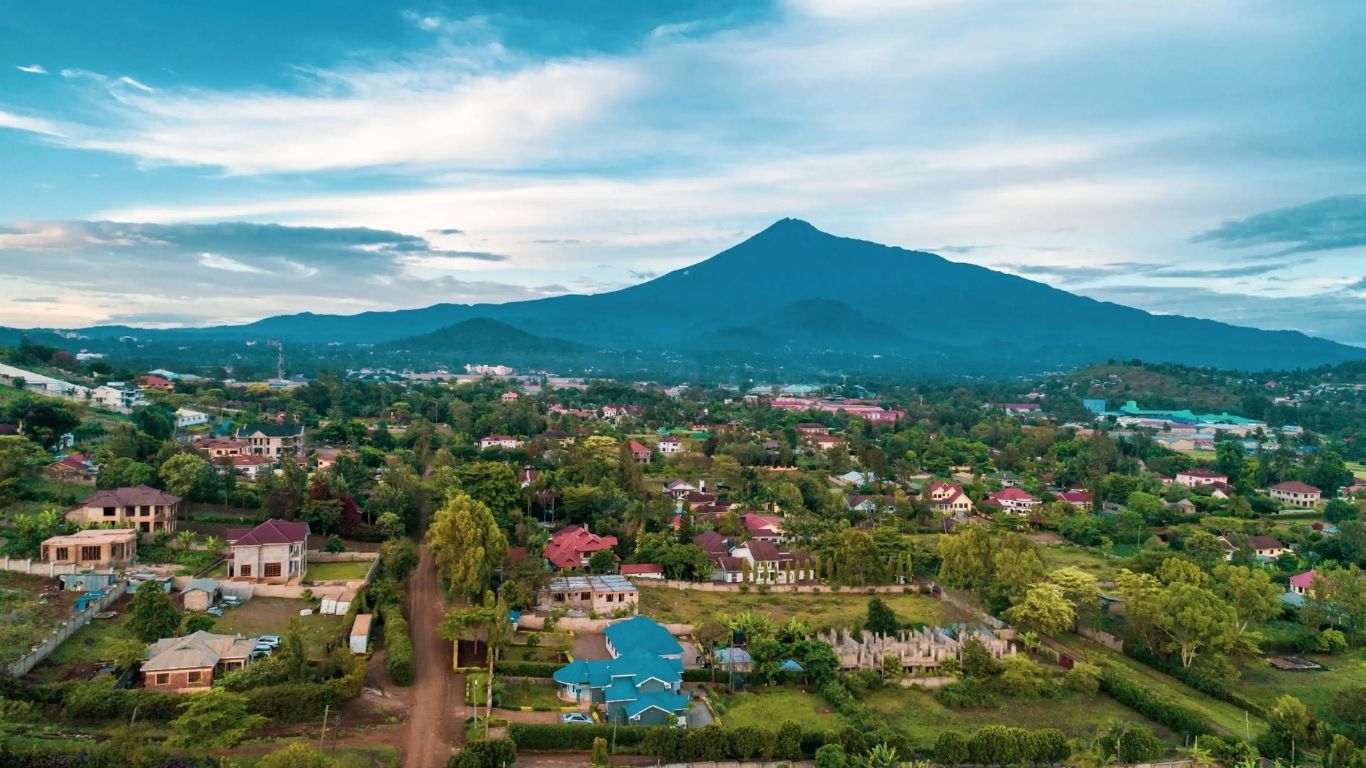
Ngorongoro is a unique conservation area in northern Tanzania, famous for the Ngorongoro Crater, one of the world’s largest volcanic calderas teeming with wildlife. Rather than a typical town, it includes small Maasai villages where traditional pastoral life continues alongside abundant wildlife. The area is a UNESCO World Heritage site and a top destination for safari lovers seeking breathtaking landscapes and rich cultural experiences.
Must-Visit Attractions
Experience the best of what Ngorongoro has to offer
Serengeti National Park
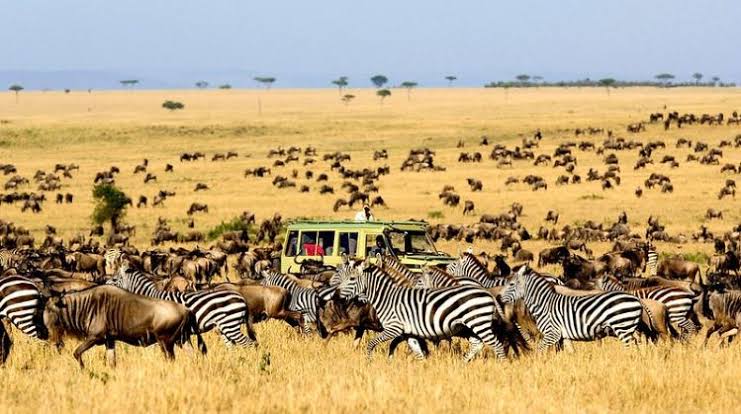
Serengeti National Park is a World Heritage Site teeming with wildlife: over 2 million ungulates, 4000 lions, 1000 leopard, 550 cheetahs and some 500 bird species inhabit an area close to 15,000 square kilometers in size. Join us on a safari and explore the endless Serengeti plains dotted with trees and kopjes from which majestic lions control their kingdom; gaze upon the Great Migration in awe or find an elusive leopard in a riverine forest. Or perhaps see everything from a bird’s-eye view and soar over the plains at sunrise during a hot air balloon safari. Accommodation options come in every price range - the sound of lions roaring at night is complimentary.
Available Tours & Experiences
Choose from our carefully curated selection of Ngorongoro adventures

Kenya & Tanzania Safari – Maasai Mara to Serengeti & Beyond
Embark on the ultimate East African adventure with Smartwise Travel Ltd, journeying...
Book NowExplore Ngorongoro
Interactive map with key attractions and tour meeting points
Essential Travel Information
Everything you need to know for your Ngorongoro adventure
Best Time to Visit
The best time to visit Ngorongoro is during the dry seasons, from June to October and late December to February. During these months, wildlife is easier to spot as animals gather around water sources, and the weather is generally pleasant with less rain, making for excellent safari conditions. The dry season also means clearer roads and better overall accessibility in the conservation area.
Weather & Climate
Ngorongoro has a cool, temperate climate due to its high elevation (around 2,200 meters or 7,200 feet above sea level). Temperatures typically range from 5°C (41°F) in the early mornings and nights to about 25°C (77°F) during the day. The area experiences two main rainy seasons: the long rains from March to May and the short rains around November and December. The dry seasons, from June to October and January to February, bring clearer skies and more stable weather, making it the best time for wildlife viewing and outdoor activities. Nights can be quite chilly, so visitors should pack warm clothing, especially if camping or going on early morning game drives.
Currency & Language
The currency used in Ngorongoro, as in the rest of Tanzania, is the Tanzanian Shilling (TZS). However, US dollars are widely accepted in many tourist areas, including Ngorongoro, especially for park fees, lodges, and safari tours. The main language spoken is Swahili (Kiswahili), which is Tanzania’s national language and commonly used for everyday communication. English is also widely spoken, particularly in the tourism industry, so visitors usually have no trouble communicating. Additionally, the Maasai people living in the area speak the **Maasai language**.
Visa Requirements
Most travelers to Ngorongoro, Tanzania, need a tourist visa, which can be obtained online as an e-visa or on arrival at major entry points like Kilimanjaro International Airport. Visitors must have a passport valid for at least six months, a completed application, visa fee, and proof of onward travel. Citizens from some countries, such as Kenya, can enter visa-free. Additionally, a yellow fever vaccination certificate is often required. For the latest details, it’s best to check with the Tanzanian immigration authorities or local embassies before traveling.
Local Tips & Cultural Insights
- Be mindful of your environmental impact, especially in sensitive ecosystems.
- Wi-Fi is available in most urban areas but may be limited in remote locations.
- Pack lightweight, breathable clothing for hot climates; layers for cooler regions (like highlands).
- Respect local customs and dress codes
- Support local businesses, artisans, and eco-lodges
- Choose ethical wildlife experiences—avoid attractions that exploit animals
Gallery
Immerse yourself in the beauty of Ngorongoro
Ready to Experience Ngorongoro?
Let our travel experts help you create the perfect Ngorongoro itinerary tailored to your interests and budget.